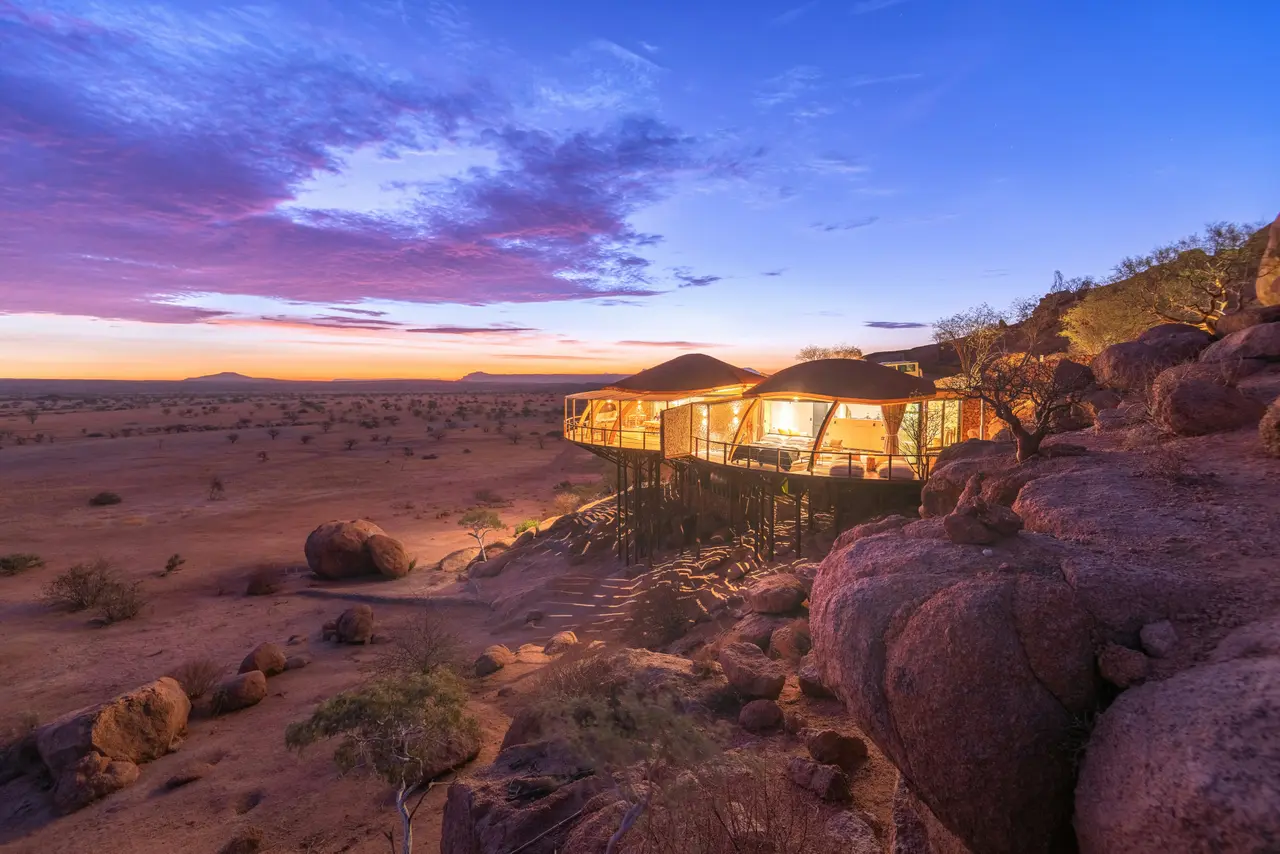

Sight, sound, smell, touch, and taste all shape how guests remember a stay. Here is how sensory design works in hotels and how to deliver it consistently.
In a crowded hospitality market, hotels need ways to stand out that guests actually feel. One of the most effective is sensory design: engaging sight, sound, smell, touch, and taste so a stay is remembered long after checkout.
Here is how sensory design shapes the guest experience, and what it takes to deliver it every day.
The Importance of Sensory Experience
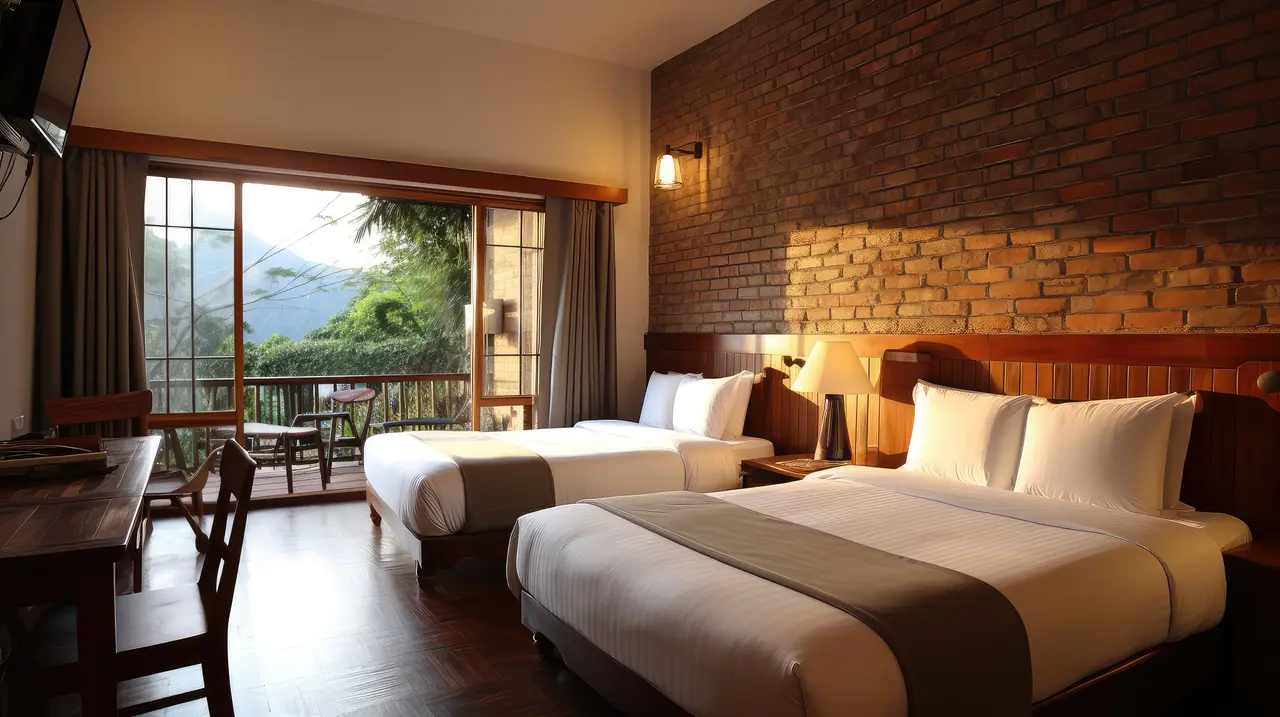
Guests expect more than a clean room and a comfortable bed. Many want a stay that feels like something, and that experience starts the moment a guest walks through the door.
Every detail contributes: the scent of fresh flowers in the lobby, the sound of a fountain, the feel of a plush carpet underfoot. These details can make guests feel relaxed, welcome, or at home, and they shape how guests remember the stay.
Designing with the Senses
Sight: Visual Appeal
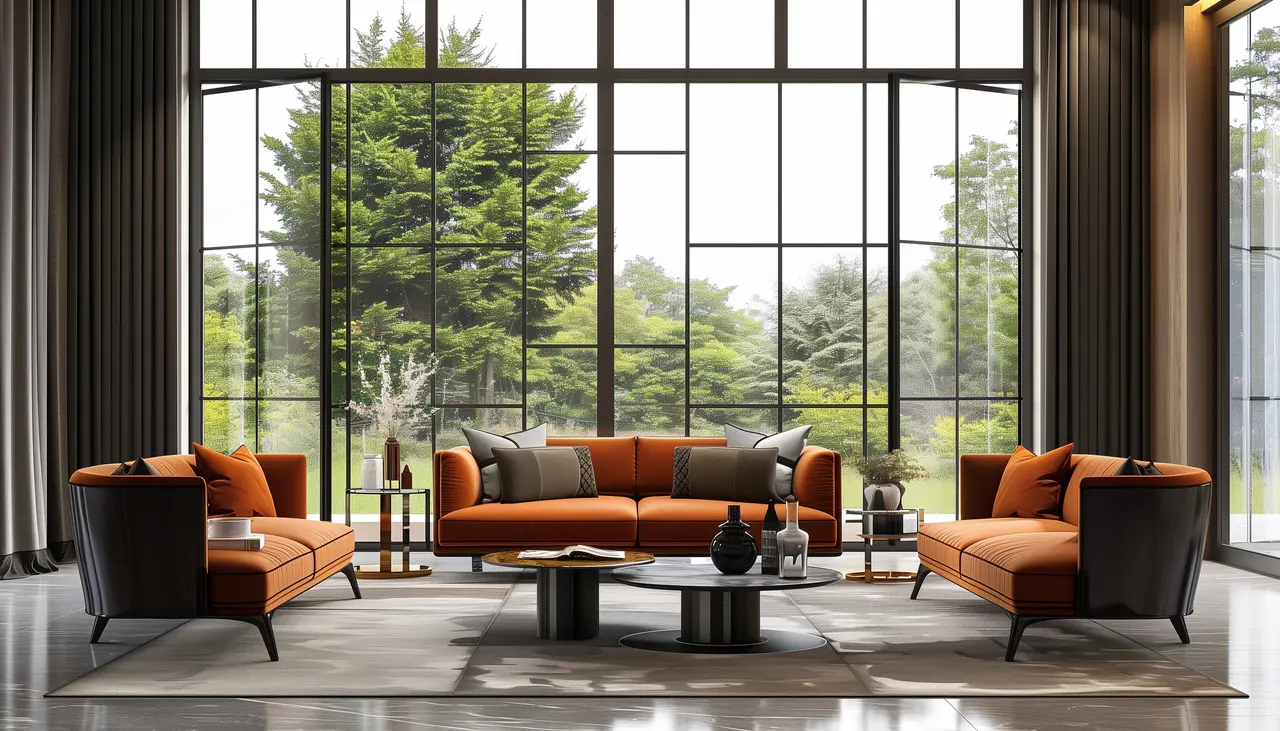
The visual elements of a hotel are often the first thing guests notice. Colors, furnishings, lighting, and materials all set the tone. A palette of soft blues and greens can create a calm environment, supported by natural materials such as reclaimed wood and stone.
Art matters too. A hotel near the coast might feature local photography or paintings of the shoreline, helping guests feel connected to the place. Lighting belongs here as well: warm, layered lighting in the evening feels very different from bright overhead fixtures.
Sound: Setting the Mood
Sound shapes how guests perceive a space. Soft instrumental music in the lobby can create a calm atmosphere, while more upbeat music in a bar or lounge encourages conversation and energy.
Acoustics in guest rooms matter just as much. Double-pane windows, solid-core doors, and sound-reducing wall construction protect privacy and sleep. Noise is a frequent source of guest complaints, and it is far cheaper to address in design than after opening.
Smell: A Memorable Signature
Smell is often underestimated. Scent is closely tied to memory and mood, which makes it a powerful part of sensory design. A signature scent, such as citrus or vanilla, diffused at arrival can become part of a hotel's identity.
A hotel might also let the aroma of fresh pastries or coffee carry into the lobby in the morning, adding warmth. Dishes built around fresh herbs and local spices connect guests to the area in the same way.
Touch: The Comfort of Textures
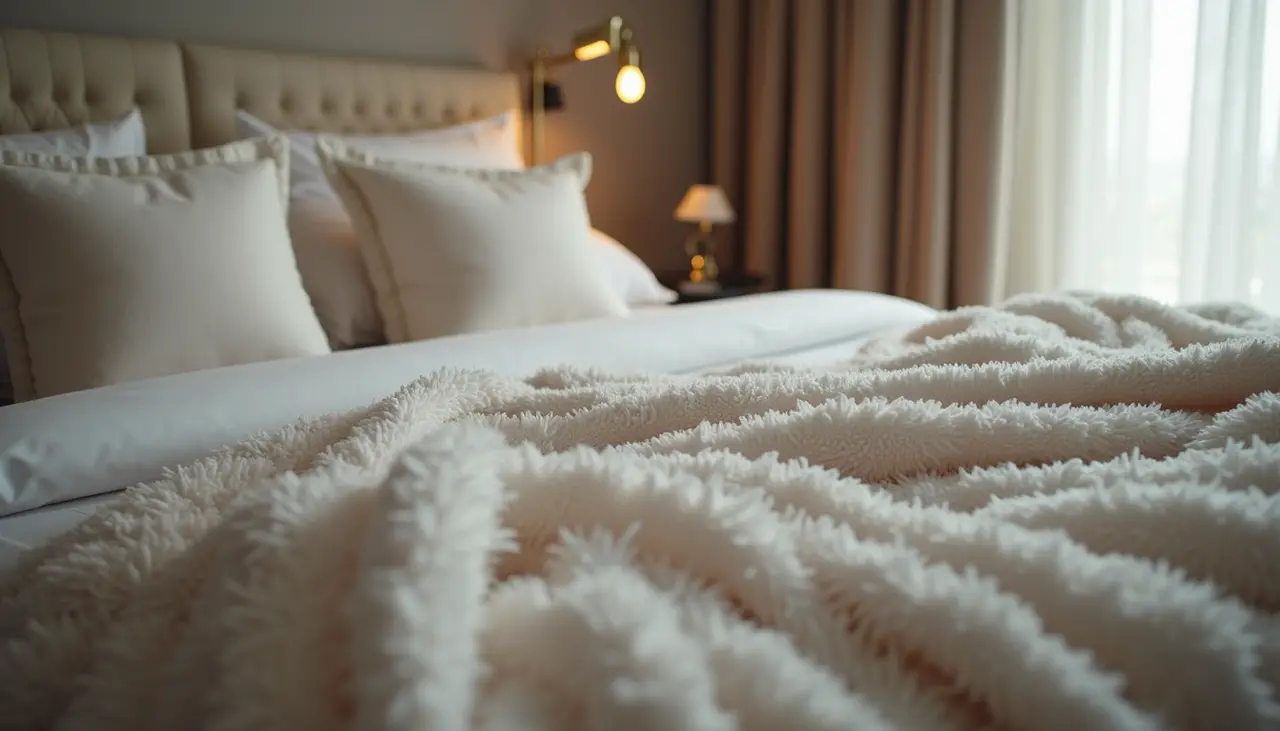
Texture affects how guests feel about their stay. Quality bedding, plush pillows, and soft throws raise perceived comfort. In common areas, rugs on hardwood floors and soft seating make spaces inviting.
Small tactile touches add up: a heated pool deck, warm towels after a spa treatment, a blanket for an evening on the terrace.
Taste: A Sense of Place
Food can define a hotel stay. Guests remember a good morning coffee or an excellent dinner. Locally sourced ingredients improve flavor and give guests an authentic taste of the region.
A hotel could build a menu around local seafood paired with wines from nearby vineyards. That enriches the experience and supports local producers and culinary traditions.
When the Senses Work Together
The real impact comes when the senses work together. Picture a lobby that greets guests with soft music, the scent of fresh coffee, and striking local artwork, with comfortable seating that invites them to stay and a pastry to enjoy while they do. A stay like that is one guests talk about and share.
Making Sensory Design Work in Daily Operations
Sensory design only works if the team delivers it consistently, and in our experience this is where good concepts fade after opening. A few practical steps:
- Write it into standards: Set music playlists and volume levels by area and time of day, scent diffuser settings and refill schedules, and lighting scenes, then put them in your SOPs.
- Assign ownership: Someone needs to own each element. If no one is responsible for the lobby playlist or the diffuser refills, they will drift.
- Train the team on the why: When associates understand the experience the design is meant to create, they notice when something is off.
- Check it on walks: Include sound, scent, lighting, and temperature in manager walks and pre-opening readiness walks, not just cleanliness and maintenance.
Looking Ahead
As guest preferences change, design that considers the full sensory experience becomes more important. Sensory design is not an extra; it is part of how guests judge a stay. Hotels that invest in it thoughtfully, and then operate it consistently, create stays guests remember well after they leave.
If you want help turning your hotel's design intent into standards your team can deliver, learn about our operational training or Request a Proposal.