


Guests still expect efficient service, and many also want a stay that feels personal. Here is how transactional and experiential service differ and how to build both.
Hospitality is shifting. Guests still expect the basics done right, but many also want a stay that feels personal and memorable. That is the difference between transactional and experiential service. Here is how we think about the two, why both matter, and how to build experiential service into daily operations.
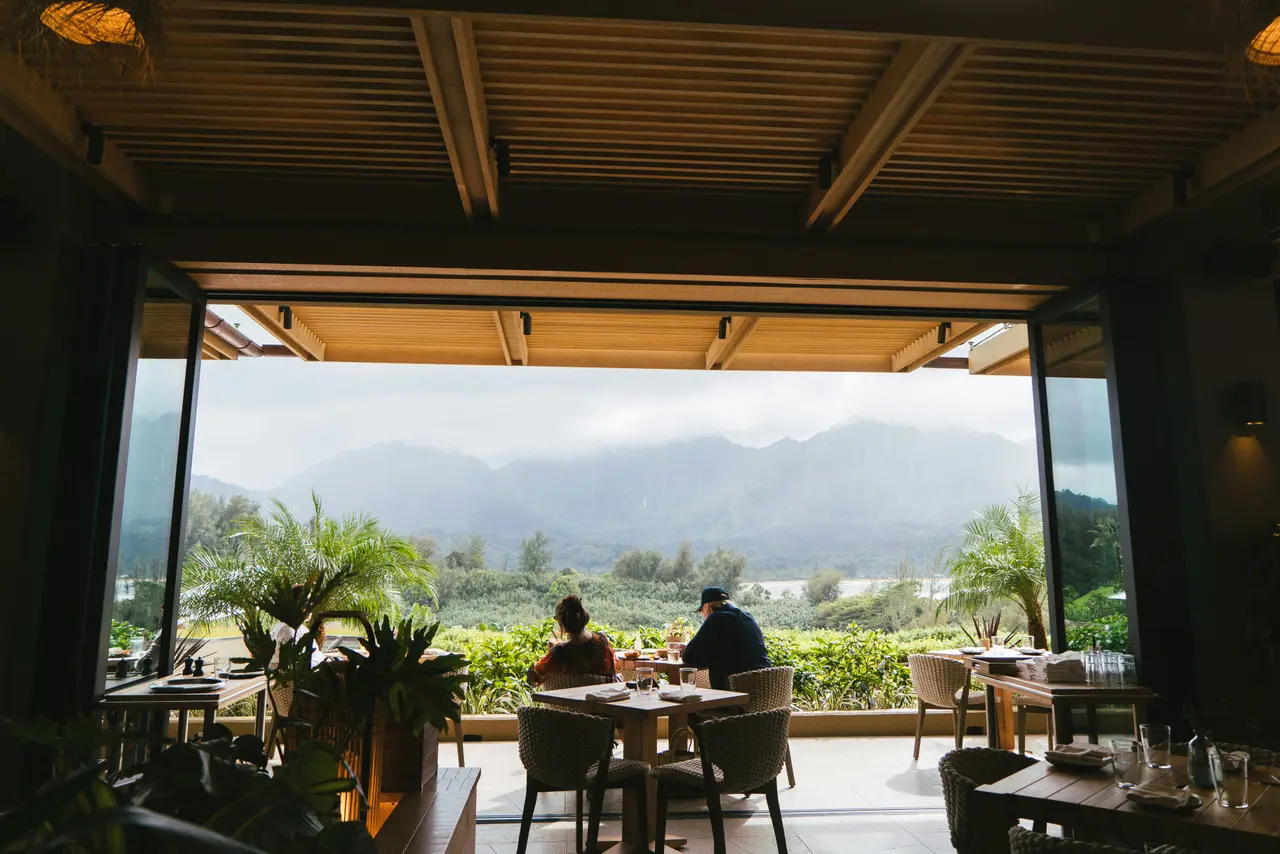
Understanding Transactional Service
Transactional service is the traditional approach: an exchange of goods and services for money, delivered efficiently. The goal is speed, accuracy, and convenience. Examples include:
- Fast, accurate check-in and check-out
- Standardized room amenities and services
- Automated or self-service interactions, such as mobile check-in and digital keys
Transactional service isn't the enemy. It is the foundation. A guest who waits 20 minutes at the front desk or gets the wrong room type won't be won over by a handwritten welcome note. On its own, though, transactional service rarely makes a stay memorable.
What Experiential Service Adds
Experiential service goes beyond the exchange. It aims to make guests feel recognized and valued, and to give them something to remember. Key elements include:
- Personalized interactions: Associates take the time to learn and respond to individual preferences.
- Distinctive offerings: Local experiences, cultural events, or dining that reflects the area.
- Emotional engagement: Small moments that leave guests with a good feeling about the stay.
Why Today's Guests Look for Experiences
Many travelers place a high value on experiences, authenticity, and stories worth sharing. That matters to hotels for a few reasons:
- Emotional connection: Experiences build attachment to a hotel or brand, which supports loyalty and repeat stays.
- Social sharing: Guests post memorable moments online and reach people your marketing can't.
- Differentiation: In a crowded market, how a stay feels sets a hotel apart.
- Guest satisfaction: Personal, memorable service shows up in reviews.
What Experiential Service Looks Like at Each Touchpoint
It helps to get specific. A few examples:
- Before arrival: A pre-arrival email that asks about the purpose of the trip, followed by using the answer. A guest celebrating an anniversary finds a note in the room; a guest attending a conference gets directions to the venue.
- Arrival: Eye contact and a greeting before the screen. Using the guest's name. A quick, genuine recommendation for dinner nearby.
- In the room: Preferences from previous stays already in place, such as extra pillows, a hypoallergenic setup, or the preferred room type.
- Food and beverage: A server who remembers a returning guest's coffee order, or a bartender who knows the local story behind a cocktail.
- Departure: Asking how the stay went and acting on the answer before the guest leaves, not after a review is posted.
None of these require a large budget. They require information, time, and a team with permission to use both.
Implementing Experiential Service in Your Hotel
- Hire for disposition: Skills can be trained; warmth and curiosity are harder to teach. Build interview questions around how candidates have treated people, not just what they know.
- Invest in training: Train beyond the procedure. Role-play guest conversations, service recovery, and how to read a guest who wants to chat versus one who just wants to get to the room.
- Empower the team: Give associates clear authority to fix problems and create moments, with a defined spending limit, so they don't need a manager for every gesture.
- Use technology to support people: Capture preferences in the property management system and share them at daily line-ups, so personalization doesn't depend on one associate's memory.
- Create distinctive offerings: Develop packages and experiences that reflect your brand and the local area.
- Ask for feedback and act on it: Read guest comments for specific moments, good and bad, and share them with the team.
Common Pitfalls
- Scripted personalization: Repeating a guest's name three times in a scripted greeting isn't personal, and guests notice.
- Slowing the transaction: Experiential touches should never make check-in longer for a tired guest who just wants a key.
- Inconsistent delivery: If the experience depends on one standout associate, it disappears on their day off. Build it into standards and training.
- Brand misalignment: Experiences should fit the brand's positioning. Service standards vary by brand, so build within yours.
Measuring Experiential Service
Experiential service is harder to measure than check-in time, but it can be tracked.
- Read comments, not just scores: Look for reviews that name associates or describe specific moments. Those are the clearest signal that the experience is landing.
- Track recognition: Count how often associates are mentioned by name in feedback, by department and by shift.
- Review service recovery: Log problems resolved on the spot and how guests responded. Strong recovery is often what guests remember most.
- Observe it directly: Managers should spend time at the front desk, in the restaurant, and in the lobby watching interactions, then coach in the moment.
Share what you learn at line-ups. Associates repeat what gets recognized.
Wrapping Up
The shift from transactional to experiential service is more than a trend. Guests still expect efficiency, and the best hotels deliver it while also creating moments that feel personal. When the basics are solid and the team is trained and empowered to go further, a hotel builds stronger connections with guests and stands out in a crowded market.
If you want to build experiential service into your team's training, learn about our operational training or Request a Proposal.