
A renovation can renew a hotel or disrupt it for months. Here is how we approach renovations: assess first, prioritize, plan around the operating hotel, and prepare to reopen.
Hotels can't rely on their existing charm and popularity forever. Guest expectations change, finishes wear out, and competitors refresh. A well-planned renovation can improve the guest experience, sharpen your position in the market, and extend the life of the asset. A poorly planned one can disrupt operations for months and still miss the mark.
Here is how we approach renovations so the investment goes where it matters.
Why Strategic Renovations Matter
Renovations are more than cosmetic upgrades. They are a chance to fix how the hotel works, not just how it looks. Owners usually renovate for one or more of these reasons:
- Wear and tear: Soft goods, case goods, and finishes reach the end of their useful life.
- Brand requirements: Branded hotels face property improvement plans (PIPs) on a set cycle or at a change of ownership or flag. Requirements vary by brand, so read the PIP closely and confirm scope and deadlines with the brand early.
- Repositioning: The market has shifted, and the hotel needs to compete for a different guest or rate.
- Function: Spaces no longer work, such as an underused restaurant, a cramped fitness room, or a lobby with nowhere to sit.
Being clear about the reason shapes every decision that follows.
Set a Realistic Budget and Schedule
Renovation budgets tend to grow once walls are opened. Hidden water damage, outdated wiring, and code upgrades triggered by the scope of work are common surprises in older buildings.
- Carry a contingency for conditions you can't see until demolition.
- Confirm lead times for furniture, fixtures, and equipment before setting dates. Long-lead items often drive the schedule more than construction does.
- Build the schedule around your demand calendar, so the heaviest work falls in slower periods where possible.
- Include the soft costs: displaced revenue, overtime, temporary storage, and training on new equipment.
Assess Before You Spend
Before choosing finishes, gather evidence on what needs attention most.
- Guest feedback: Read reviews and surveys for recurring themes. Comments about noise, dated bathrooms, poor lighting, or uncomfortable beds point straight at priorities.
- Maintenance records: Work order history shows which rooms, systems, and equipment fail most often.
- Revenue data: Look at which room types and outlets underperform, and why.
- Team input: Housekeepers, engineers, and front desk associates know which details slow them down or frustrate guests. Ask them.
- Infrastructure condition: Roofs, HVAC, plumbing, elevators, and life safety systems aren't glamorous, but deferring them can undercut everything else you renovate.
Identifying Key Areas for Improvement
With the assessment in hand, set priorities.
- Guest rooms: Rooms drive most of a hotel's revenue and most of its reviews, so they usually come first. Consider updated furnishings, better lighting, more outlets and charging points, reliable Wi-Fi, and a refreshed look that feels welcoming.
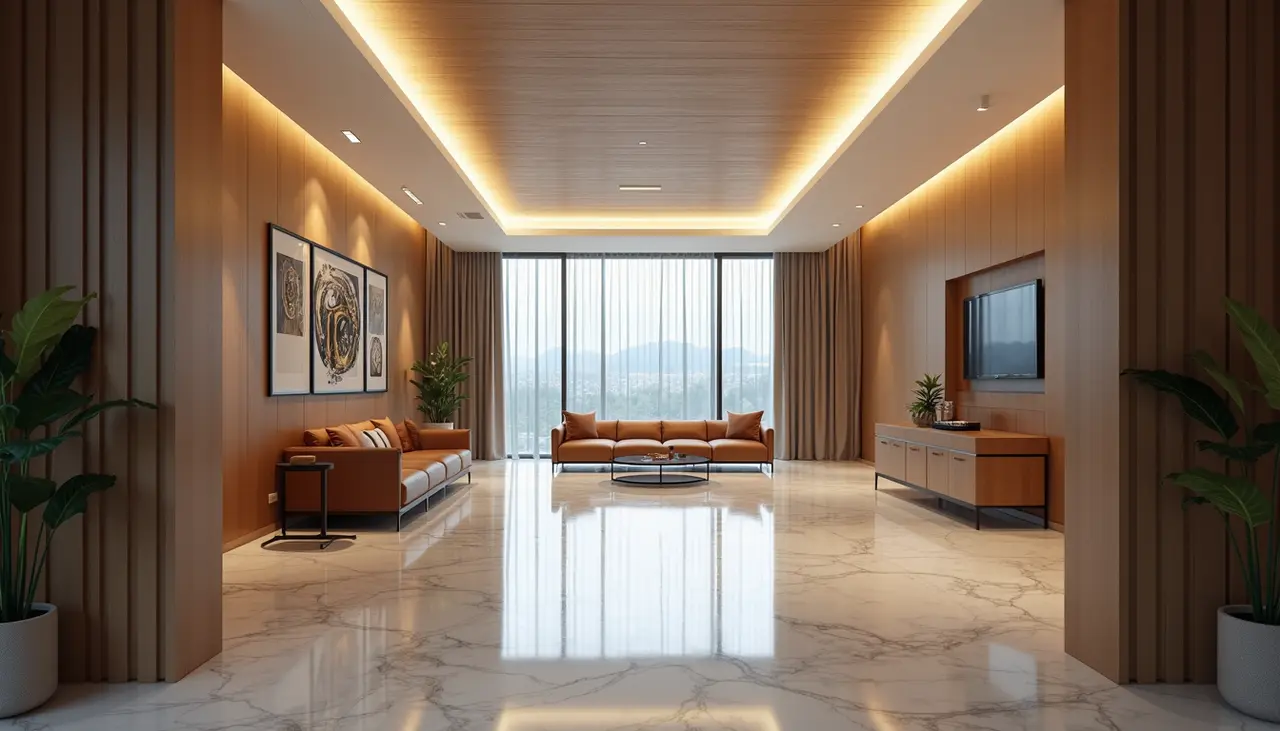
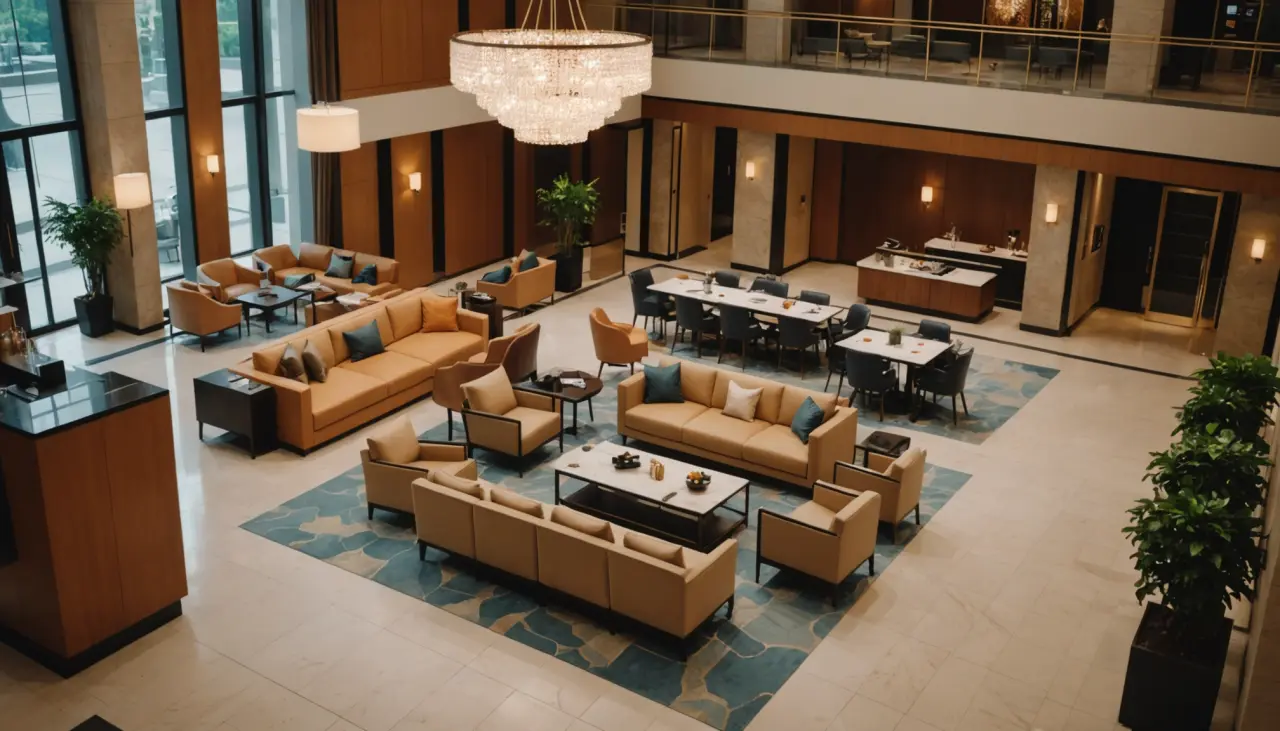
- Common areas: Lobbies, restaurants, and lounges should feel cohesive and comfortable. Well-designed public spaces give guests a reason to spend time on property and make the hotel feel social.
- Outdoor spaces: Gardens, pools, and patios can become relaxing retreats and can also host events and gatherings.
- Back of house: Laundry, kitchens, storage, and employee areas rarely make the brochure, but improving them helps the team work efficiently and shows associates their work matters.

Plan Around an Operating Hotel
Most renovations happen while the hotel stays open, and that is where many projects go wrong. Plan for:
- Phasing: Renovate in blocks of floors or rooms so inventory comes out of service in predictable chunks. Work with revenue management so displaced demand is reflected in rates and forecasts.
- Noise and access: Set work hours, route contractors away from guest paths, and keep guests away from active work zones where you can.
- Communication: Tell guests what to expect before arrival and at check-in. Brief the front desk so they can answer questions confidently and handle complaints quickly.
- Sales commitments: Check group contracts and events before locking dates, so you don't sell rooms or space that will be under construction.
Engaging Stakeholders and Keeping Guests in Mind
Involve stakeholders throughout: ownership, the management company, the brand where applicable, your staff, and even the local community. Their input helps shape a vision that matches expectations, and involving associates builds buy-in for the changes they will work with every day.
Guest feedback can also reveal changing preferences. Eco-conscious travelers may value sustainability features, while families may want connecting rooms or more flexible bedding. Designing around the guests you have, and the ones you want, supports repeat business and good word of mouth.

Treat the Reopening Like an Opening
When renovated rooms or spaces come back online, treat it like a small opening. New systems, layouts, and equipment create new ways for things to go wrong.
- Walk every renovated room against a punch list before it goes back into inventory.
- Update SOPs, room attendant checklists, and par levels for the new layouts and amenities.
- Train the team on new equipment, technology, and service flows before guests use them.
- Walk the renovated areas from the guest's point of view before they reopen.
These steps decide whether the investment shows up for guests or gets lost in small failures.
Conclusion
Strategic renovation is how a hotel stays competitive. Spend where the evidence points, plan carefully around the operating hotel, involve the people who use the space, and prepare the team before guests return. Done that way, a renovation can bring new life to a property and give both new and returning guests a reason to stay.
Planning a renovation or PIP? Learn about our planning and remediation services, or Request a Proposal and tell us about your project.