
A hotel performance review is only as useful as the action it leads to. What to cover, how to involve your team, and how to follow through on the findings.
Every owner and operator wants to know how the hotel is really performing and where it can improve. A structured performance review is one of the best tools for that. Done well, it shows strengths, weaknesses, and opportunities in one place, and it gives the team a shared plan for what to do next.
This guide offers practical advice on running reviews that produce clear findings, and on turning those findings into improvements in operations and guest experience.
How to Run a Strategic Hotel Performance Review
Approach the review systematically. Start by setting clear goals. What do you want the review to answer? Common goals include increasing occupancy, improving guest satisfaction, or reducing operating costs.
Next, gather the relevant data: financial reports, guest feedback, associate performance, and operational metrics. Use your systems to collect and analyze it efficiently.
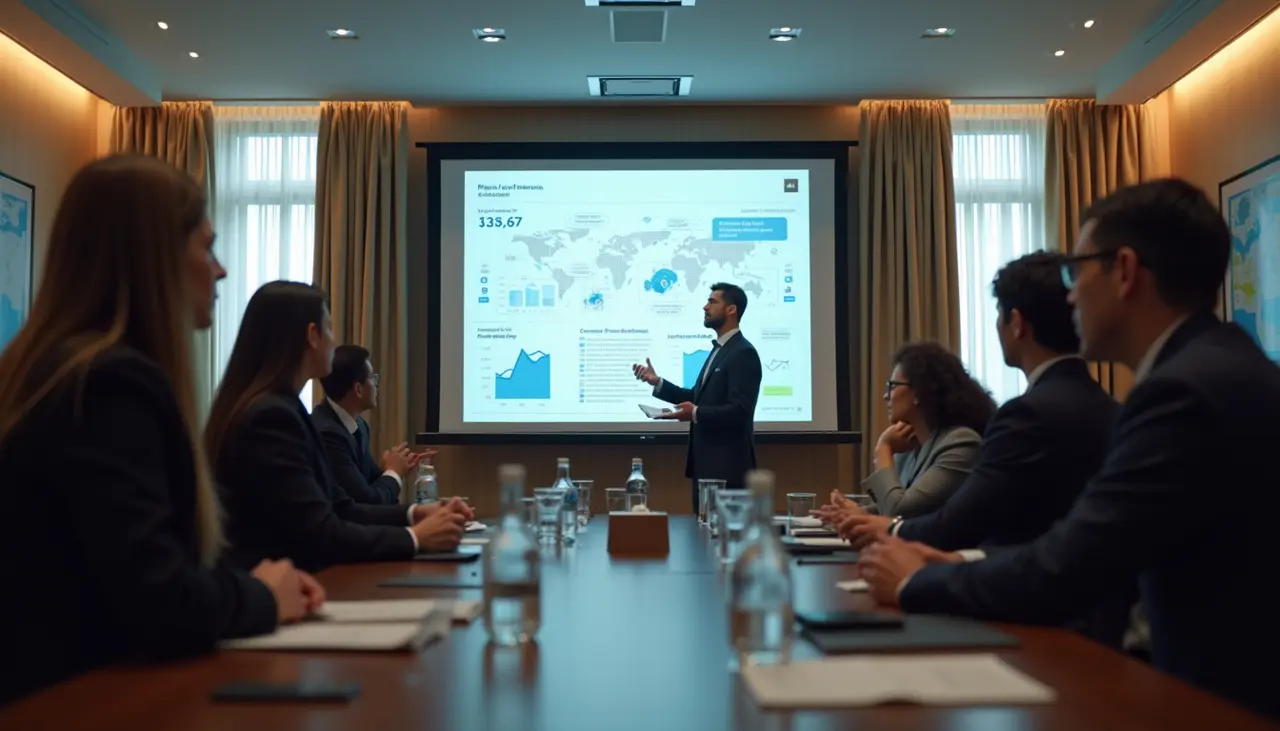
Then involve your team. Share the data with department heads and, where it makes sense, with line-level associates. Encourage open discussion about challenges and solutions. In our experience, the people closest to the work often know exactly where the friction is, and including them builds accountability.
Finally, create an action plan. Prioritize the areas that need improvement, assign owners, set deadlines, and track progress regularly.
Key steps:
- Define clear, measurable goals
- Collect data from multiple sources
- Engage your team in the review discussion
- Build and carry out a targeted action plan
- Monitor progress and adjust as needed
Essential Components of a Hotel Performance Review
An effective review covers several areas. Each one shows a different side of the operation.
Financial Performance
Review revenue streams, expenses, and profitability. Analyze occupancy, average daily rate (ADR), and revenue per available room (RevPAR). Look for trends and anomalies.
Guest Experience
Evaluate guest satisfaction scores, online reviews, and direct feedback. Identify common complaints and praise, and use them to improve service.
Operational Efficiency
Assess housekeeping, engineering, front desk, and food and beverage operations. Look for delays, errors, and inefficiencies, and simplify processes where you can.
Team Performance
Review productivity, training, and morale. Recognize strong performers and address underperformance. Ask associates for feedback on working conditions.
Market Position
Analyze your competitive set and market trends. Understand where the hotel is stronger or weaker than its competitors, and adjust marketing and pricing accordingly.
Covering these components gives you a complete view of the hotel's health and a better basis for decisions.
What Does a Good Performance Review Look Like?
A good review is clear, balanced, and forward-looking. It highlights achievements and areas for growth, and it backs both with specific examples and actionable recommendations.
Here is a hypothetical example. A review notes that occupancy rose last quarter after a targeted marketing campaign. At the same time, guest satisfaction scores dipped because of slow check-in times. The review recommends additional front desk training and a fix to the check-in process.
That approach keeps the review constructive. It gives the team credit for what worked and a clear path on what did not.
Example structure:
- Summary of key metrics: occupancy, ADR, guest scores
- Highlights: what went well and why
- Challenges: specific issues, with examples
- Recommendations: clear, actionable steps
- Next steps: timeline and owners
Using Technology in the Review Process
Technology helps you collect accurate data, analyze trends, and share findings.
Property management systems (PMS) that integrate financial, operational, and guest data can provide dashboards and reports in close to real time.
Customer relationship management (CRM) tools track guest preferences and feedback. Review analysis tools can help you see patterns in online comments.
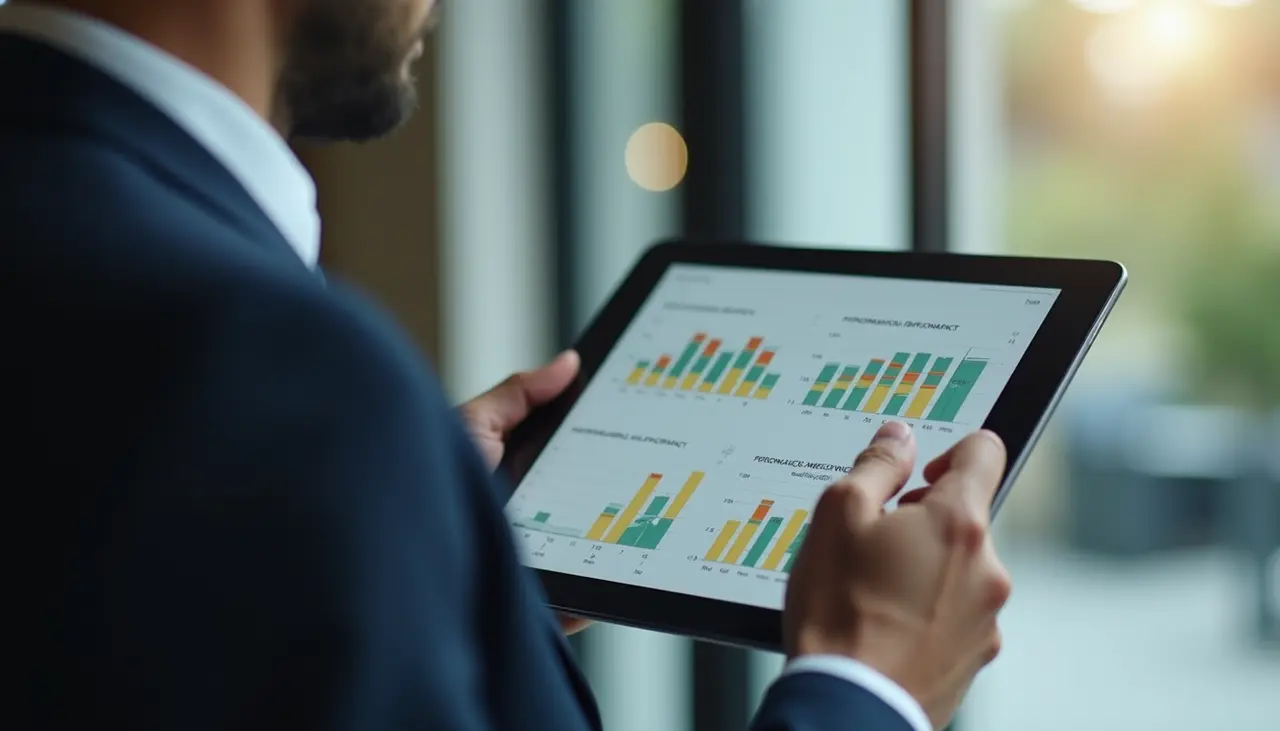
Data visualization turns complex numbers into charts that are easier to read and share with the team.
Automate routine work such as report generation and data pulls. It saves time and reduces errors.
Benefits include:
- Faster, more accurate data collection
- Better integration across departments
- Clear visual reports for decision-making
- Easier communication and collaboration
- Less manual work
Turning Review Findings Into Change
A review is only valuable if you act on it, and acting on it takes planning and follow-through.
Start by communicating the results clearly. Explain why changes are needed and how they will help the hotel and the team.
Set realistic goals and timelines for each initiative. Assign responsibility to specific people or departments.
Provide the training and resources each change needs. If the goal is faster check-in, for example, train front desk associates on the new procedure or system before you expect results.
Monitor progress with follow-up meetings and updated reports. Recognize progress to keep morale up.
Be ready to adjust plans based on what you learn. Improvement is ongoing.
Tips for implementation:
- Communicate openly
- Set clear, achievable goals
- Provide support and training
- Track progress and recognize wins
- Stay flexible and responsive to feedback
Making Performance Reviews a Habit
Regular performance reviews give you the information you need to make good decisions. Keep the focus on clear goals, complete data, team involvement, and a realistic action plan. Use technology to make the process efficient, and follow through on changes with communication and support.
Over time, a steady review rhythm builds a culture of continuous improvement that keeps the property competitive.
Want an Outside Perspective?
We help owners and operators review hotel performance with an operator's eye and turn the findings into a prioritized plan. Learn about our planning and remediation support, or Request a Proposal.